Nov 06, 2026
Best Sunscreen for Face in India: SPF 50 PA++++ Gel Guide
Introduction: Why Is Sunscreen Essential for Indian Skin?
With strong sunlight and high UV levels throughout much of the year, sunscreen is one of the most important steps in an Indian skincare routine.
But choosing the right sunscreen can be confusing.
Should you choose SPF 30 or SPF 50? Is gel sunscreen better than cream? What do PA+++ and PA++++ mean? And how often should you reapply sunscreen?
Understanding these basics can help you choose a sunscreen that suits your skin type and daily lifestyle.
Let's explore everything you need to know about choosing and using sunscreen for your face.
Why Does Sunscreen Matter So Much in India?
India experiences high UV levels during much of the year, not just during summer.
Regular, unprotected sun exposure can contribute to:
Tanning and a dull, uneven complexion.
Dark spots and stubborn pigmentation.
Fine lines and early signs of ageing.
Dry and rough skin texture.
Sunburn and long-term skin damage.
Using sunscreen every day helps protect your skin from harmful ultraviolet radiation. It also helps protect the benefits of your other skincare products.
UVA vs UVB: What's the Difference?
Sunscreen labels often mention two types of ultraviolet rays: UVA and UVB.
UVB Rays
UVB rays mainly affect the upper layers of the skin and are responsible for sunburn.
The SPF rating measures a sunscreen's protection against UVB radiation.
UVA Rays
UVA rays penetrate deeper into the skin and are associated with tanning, pigmentation and early signs of ageing.
They are present throughout the day and can pass through clouds and window glass.
The PA rating indicates the level of UVA protection.
A good face sunscreen should offer broad-spectrum protection against both UVA and UVB rays.
What Does SPF 50 PA++++ Mean?
Understanding sunscreen labels helps you choose the right level of sun protection.
What Is SPF 50?
SPF stands for Sun Protection Factor.
SPF 50 blocks approximately 98% of UVB rays when applied correctly under testing conditions.
For comparison:
SPF 30 blocks approximately 97% of UVB rays.
SPF 50 blocks approximately 98% of UVB rays.
The difference is relatively small, which is why applying the correct amount and reapplying when necessary are more important than simply choosing a higher SPF number.
What Does PA++++ Mean?
PA refers to the level of protection against UVA radiation.
PA++++ is the highest rating on the commonly used PA scale and indicates strong UVA protection.
Together, SPF 50 PA++++ offers strong protection against both UVA and UVB radiation.
Chemical vs Mineral Sunscreen: Which Should You Choose?
Sunscreens use different types of UV filters.
Comparison
Chemical Sunscreen
Mineral Sunscreen
How it works
Absorbs UV radiation and converts it into heat
Uses mineral filters that absorb and scatter UV radiation
Texture
Usually lightweight and easy to blend
Can feel thicker and may leave a white cast
Common preference
Daily wear, oily skin and under makeup
Often considered by people with very sensitive skin
Many modern formulations combine different types of filters.
Neither type is automatically better for everyone. Choose a sunscreen that offers suitable protection and feels comfortable enough to wear daily.
What Should You Look for in a Face Sunscreen?
Before buying a sunscreen, use this checklist:
SPF 30 to 50 for UVB protection.
PA+++ or PA++++ for UVA protection.
Broad-spectrum protection.
Lightweight, comfortable texture.
Non-comedogenic formulation if you are prone to breakouts.
Low or no fragrance if your skin is sensitive.
Water resistance if you sweat heavily or swim.
Clear usage instructions and a valid expiry date.
Choosing a suitable formulation makes it easier to maintain a consistent sunscreen habit.
Why Choose Gel Sunscreen for Your Face?
Gel sunscreens are popular in India's warm and humid climate because they generally offer a lightweight texture.
Some of their commonly preferred features include:
Lightweight and quick to absorb.
Less greasy than many thick cream formulations.
Comfortable under makeup.
Convenient for everyday use, especially during warmer months.
Gel vs Cream vs Lotion vs Stick Sunscreen
Sunscreen Type
Texture
Suitable For
Gel
Light, fresh and quick to absorb
Oily, combination and normal skin, especially in humid weather
Cream
Rich and moisturising
Dry skin and colder weather
Lotion
Medium-weight texture
Normal skin and body application
Stick
Solid and portable
Touch-ups and areas around the eyes
If you have very dry skin or prefer a richer feel, apply a suitable moisturiser before sunscreen.
Which Sunscreen Is Best for Your Skin Type?
Different skin types may prefer different sunscreen formulations.
1. Oily or Combination Skin
A lightweight gel sunscreen may feel more comfortable and less shiny throughout the day.
2. Dry Skin
Apply moisturiser first, followed by sunscreen. A hydrating layer underneath can improve comfort.
3. Sensitive Skin
Patch test new sunscreen products and consider avoiding heavy fragrance if your skin reacts easily.
4. Mature Skin
Combine sunscreen with a hydrating moisturiser. Consistent sun protection is important because sun damage can contribute to visible spots and fine lines.
5. Acne-Prone Skin
Look for a lightweight, non-comedogenic formulation and cleanse your face properly at night.
6. Pigmentation-Prone Skin
Daily sunscreen is especially important because sun exposure can make existing dark marks more noticeable.
How Much Sunscreen Should You Apply?
One of the most common sunscreen mistakes is applying too little product.
The two-finger rule is a commonly used guide.
Squeeze a line of sunscreen along your index and middle fingers and use that amount for your face and neck.
Applying less than the recommended amount provides less protection than the SPF stated on the product label.
Don't forget these areas:
Ears.
Neck.
Back of the neck.
Hands.
Other exposed areas.
For full-body application, a shot-glass amount is a commonly used general guide.
Your Morning and Night Skincare Routine
Morning Skincare Routine
Gentle cleanser.
Serum, such as vitamin C, niacinamide or glutathione, if suitable for your routine.
Moisturiser.
Sunscreen as the final skincare step.
Wait a few minutes before applying makeup.
Night Skincare Routine
Cleanse your face thoroughly to remove sunscreen.
If you use makeup or water-resistant sunscreen, consider an oil or balm cleanser first.
Apply your treatment serum or cream.
Finish with moisturiser.
When Should You Reapply Sunscreen?
Sunscreen protection can wear off during the day, especially when you are outdoors.
Reapply approximately every two to three hours when outdoors and immediately after heavy sweating or swimming.
If you work indoors, your morning application may be sufficient for periods without significant sun exposure. However, reapply if you sit near a sunny window or go outdoors.
How to Reapply Sunscreen Over Makeup
If you wear makeup, you can:
Gently blot excess oil.
Apply another layer of sunscreen.
Use a sunscreen stick for convenient touch-ups.
Consider sunscreen setting powders as an additional touch-up option.
Powders and sprays are convenient, but they should not replace an adequate morning sunscreen application.
Sunscreen Through Different Seasons in India
Sunscreen is not just a summer essential. Your skin needs sun protection throughout the year.
Summer: UV exposure can be high. Apply sufficient sunscreen and reapply regularly. Lightweight gel textures may feel comfortable in heat and humidity.
Monsoon: UV rays can pass through clouds, so continue using sunscreen even on rainy or cloudy days.
Winter: UV exposure does not disappear during winter. Add a moisturising layer underneath if your skin feels dry.
Travel and Hills: UV exposure can increase at higher altitudes and around reflective surfaces such as water. Reapply sunscreen regularly.
Sunscreen and Your Other Skincare Products
Sunscreen works alongside other skincare ingredients.
Vitamin C, Niacinamide and Glutathione: Sunscreen helps protect against further sun-related pigmentation while these ingredients form part of your skincare routine.
PDRN: PDRN products can be included in a routine that also contains sunscreen. Daily sun protection remains important.
Retinol and Exfoliating Acids: Ingredients such as retinol and AHAs/BHAs can increase sensitivity to sunlight. Daily sunscreen becomes especially important.
Moisturisers With SPF: These can provide some sun protection, but people often apply too little moisturiser to achieve the labelled SPF. A dedicated sunscreen can be a more practical choice.
Common Sunscreen Mistakes to Avoid
1. Applying Too Little
Follow the recommended application amount. Using too little reduces the protection you receive.
2. Skipping Reapplication
Protection wears off during the day, particularly when you are outdoors.
3. Applying Sunscreen Before Moisturiser
Sunscreen should generally be the last step in your morning skincare routine.
4. Forgetting Your Neck and Ears
These areas also receive sun exposure and should be protected.
5. Using Sunscreen Only at the Beach
Everyday exposure also matters. Make sunscreen a regular skincare habit.
6. Not Removing Sunscreen at Night
Cleanse thoroughly to remove sunscreen, makeup and accumulated impurities.
7. Using an Expired Product
Always check the expiry date and avoid using products that have changed in colour, smell or texture.
Common Sunscreen Myths
Myth 1: I don't need sunscreen on cloudy days.
Reality: UV rays can pass through clouds, so sunscreen remains important.
Myth 2: I don't need sunscreen indoors.
Reality: UVA radiation can pass through windows, particularly when you sit near them.
Myth 3: Dark skin doesn't need sunscreen.
Reality: All skin tones benefit from sun protection. Sun exposure can deepen tanning and dark spots.
Myth 4: One morning application lasts the entire day.
Reality: Sunscreen wears off, especially during outdoor activities. Reapply as needed.
Myth 5: Higher SPF means I can stay outdoors longer.
Reality: No sunscreen provides unlimited protection. Shade, protective clothing and reapplication still matter.
How to Store Sunscreen Properly
Proper storage helps maintain product quality.
Keep sunscreen away from direct sunlight and excessive heat.
Never leave it inside a hot car.
Close the cap tightly after use.
Check the expiry date and the period-after-opening symbol.
Discard the product if its colour, smell or texture changes noticeably.
When Should You Consult a Dermatologist?
Consult a dermatologist if you experience a persistent reaction to sunscreen, have an existing skin condition, notice a changing mole or have pigmentation that does not improve.
Remember that sunscreen provides protection. It does not replace medical treatment for skin conditions.
Frequently Asked Questions
1. What is the best SPF for the face in India?
SPF 30 to 50 with PA+++ or PA++++ is a strong choice for everyday use. Choose broad-spectrum protection that suits your skin.
2. Is SPF 50 better than SPF 30?
SPF 50 provides slightly higher UVB protection, but the difference is relatively small. Applying enough sunscreen and reapplying when needed matter more.
3. Is gel sunscreen good for oily skin?
Yes. Gel textures are often preferred by people with oily and combination skin because they generally feel lightweight.
4. Do I need sunscreen every day?
Yes. Sunscreen should be part of your daily skincare routine, including cloudy days and periods when you spend time near sunny windows.
5. Can I wear sunscreen under makeup?
Yes. Apply sunscreen as the final skincare step, allow it to settle and then apply makeup.
6. Should I apply sunscreen before or after moisturiser?
Apply sunscreen after moisturiser. It should be the final step in your morning skincare routine.
7. How long does sunscreen last once opened?
Check the period-after-opening symbol on the packaging and follow the expiry information. Discard the product if its texture or smell changes.
8. Does sunscreen cause breakouts?
Some heavier formulations may not suit acne-prone skin. Consider lightweight, non-comedogenic options and cleanse thoroughly at night.
9. Can I use sunscreen on my neck and body?
Yes. Apply sunscreen to all exposed areas, including your neck. Body application requires a larger quantity.
10. Can men use the same sunscreen?
Yes. Sunscreen provides protection regardless of gender. Choose a formulation that suits your skin type.
Make Sunscreen a Daily Habit
The best sunscreen for your face is one that provides broad-spectrum Sunscreen SPF 50 PA++++ protection and feels comfortable enough to wear every day.
Choose a suitable formulation for your skin type, apply the recommended amount, reapply when outdoors and cleanse your face properly at night.
Consistency is the key to maintaining healthy-looking skin and protecting it from everyday UV exposure.
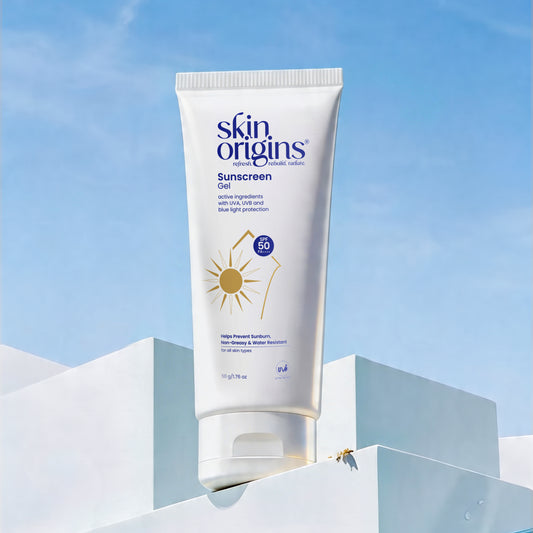
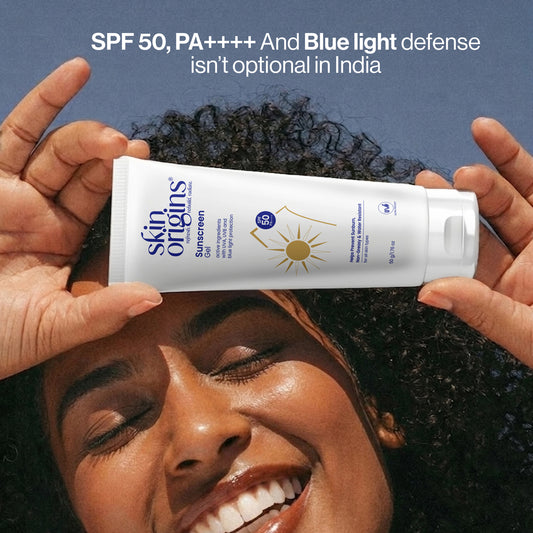
Explore Elder-Mart's Sunscreen Gel SPF 50 PA++++ and make daily sun protection an essential part of your skincare routine.
Educational note: This article provides general skincare information and does not replace personalised dermatological advice.